
Here we summarise the key findings from our recent webinar: The rise of cybercrime and 3 other areas unions can’t ignore in 2026.
- Cybercrime is evolving and unions are special targets
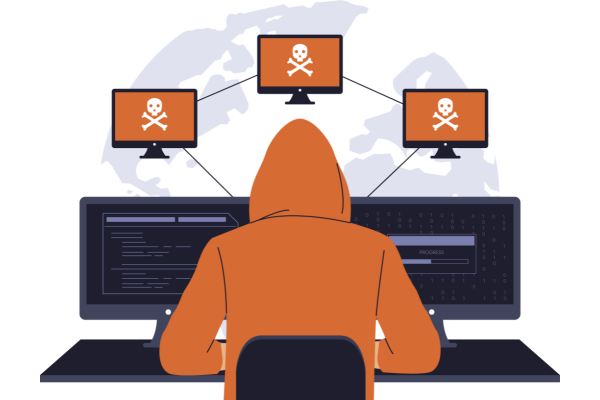
Unions are prime targets due to their sensitive data, financial transactions, legal casework, and political influence. The main impact of cybercrime is the loss of trust amongst members if their data is breached, which can affect your member numbers and revenue long-term.
Previously, cyberattacks aimed to deny access to your systems and cause disruption. Now, particularly with the use of AI, attacks are harder to spot and aim to extract data or financial information, like impersonating a CEO to gain credentials.
Being prepared to deal with an attack is the best way to protect your union.
Key ways unions can protect themselves from cyberattack:
- Mandatory multi‑factor authentication (MFA)
- Staff awareness around payment and account change fraud
- Regular incident response rehearsals and disaster recovery planning
2. AI is transforming email marketing
Email remains the top-performing recruitment and retention channel for membership organisations (ASI’s Membership Performance Benchmark report). AI tools now support:
- Content creation
- Subject line optimisation
- Predictive send-time optimisation
- Personalised dynamic content (content that can vary depending on list membership or demographics)
- Multi‑channel conversion (email → SMS → WhatsApp)
For more on this, check out our post AI Features in 4 top email marketing platforms.

3. The AI bubble may burst — but the lasting benefits will remain
AI has dominated conversations and budgets. But the reality is more balanced than the hype suggests. The technology is powerful, but the ecosystem around it is volatile.
Why the AI bubble might burst:
- High hardware and energy costs
- Over‑inflated investment expectations but hesitancy on it’s adoption
- A small number of companies dominating the market
- Concerns about how models are trained
Particularly for unions, AI impacts the job market. More entry level roles are being automated, like reviewing and processing legal documents. This has a long-term impact on the job market as staff won’t have the same level of experience.

Ultimately, AI still needs humans to oversee outputs and ensure accuracy. Unions must prepare to support workers through these shifts while also adopting AI responsibly themselves.
Our Co-Founder, Jyoti, discusses this in more detail: Understanding the short and long-term effects of AI adoption on the workforce
4. Legacy systems create real security and operational risks
Older systems often:
- Lack modern security features (e.g., MFA, audited access)
- Can’t integrate with AI or new tools
- Are slow to update
- Don’t provide real‑time reporting or unified data
Modern, cloud‑based systems with automatic upgrades, strong APIs, and integration platforms are recommended to future‑proof operations and help unions protect member data.
Final thoughts
Unions today face growing digital challenges but also huge opportunities.
Key priorities for Unions should be to:
- Strengthen cybersecurity governance
- Modernise communication processes
- Adopt AI safely and strategically
- Move towards secure, integrated, future‑proofed systems
A great first step is understanding your digital maturity. You can do this by answering our short Digital Maturity Assessment. It highlights where you are today and what to prioritise next. You’ll receive your results instantly.
Additional resources for you
If you liked this post, check out our other articles on similar topics.

Digital maturity – How to get value from your CRM
Learn what the concept of digital maturity means and how it can shape your future strategy.

What is Shadow IT?
The cybersecurity term explained

5 areas to consider when using AI
Supporting your team with the adoption of Artificial Intelligence